
Inquiry into Native American Regalia: Photos, Augmented Reality, and Symbolism
Northern Cheyenne Regalia
Main resource used in this lesson plan from ahtove.org
View complete lesson plan below
Authors: Delaney Savage, Kendal Kenworthy & Emma Grell Consultant/Editor: Dr. Mary Beth Henning (henninma@mountunion.edu) |
Grade Level: 4th |
Subject: Social Studies/Art: Analyzing the meaning of regalia |
Context for Teaching/Learning:
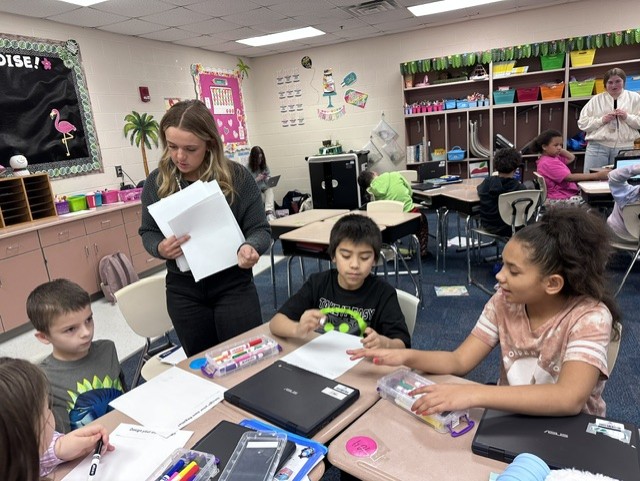
- This lesson was taught to 22 fourth grade students at Alliance Intermediate School in Alliance, Ohio in the classroom of experienced teacher, Mrs. Paula Oesch. Half the students are Black, Hispanic, or multiracial. All children received free and reduced lunch. Eight students had an IEP. Most students were working below grade level in this class. The room was set-up for small group interaction.
- Students explore the concept of regalia and inquire into what they might feature in regalia to represent their own culture. Inquiry is a student-centered approach driven by curiosity and students’ development of their critical thinking skills. It is recommended by the National Council for the Social Studies as a best practice.
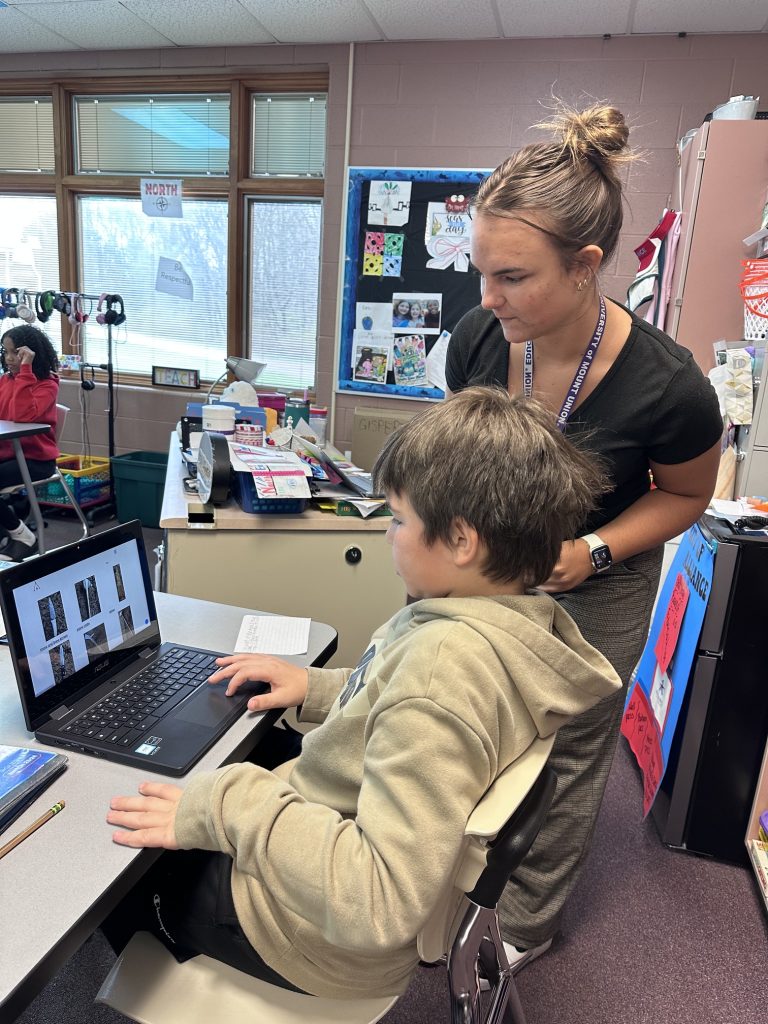
- Using the ahtove website provides students the benefits of using a primary resource as well see things that are very different from anything they would learn from a classroom textbook. Using AR brings primary sources to the students and allows for sharing with families.
Content Standards:
Grade 5. 2026. Geography. Human Systems. 10. American Indian nations and indigenous tribes share geographic and cultural similarities.
Learning Objective:
Students will be able to write about the cultural importance of regalia with at least three accurate sentences and include a relevant illustration.
Academic Language:
- Regalia: Special clothing and accessories worn during ceremonies and dances.
- Tribe: A tribe is a group of people who share the same culture, language, traditions, and history. Many Native Americans belong to tribes
- Sacred: Something that is very special and important, usually religious or spiritual.
- Culture: The way a group of people lives, including their traditions, beliefs, music, clothing, food, and celebrations.
- Symbolism: something that represents something important
Formative Assessment:
- Listen to the students answers to factual questions about regalia.
- Walk around during the discussion to make sure students understand the question and are providing their own good explanations of which Native Americans might be most important for everyone to know.
Summative Assessment:
- Students will complete the “Design Your Own Symbolic Regalia” worksheet.
- Design one piece of symbolic regalia (anything that is meaningful to the student).
- Include at least two colors or symbols representing the student’s own culture
- Write 3–4 complete sentences explaining:
- What they designed
- What their symbols/colors represent
- Why is regalia important in Cheyenne culture
- Write 3–4 complete sentences explaining:
Lesson Introduction: (5 minutes)
- Start by showing some examples of Native Americans in regalia on ahtove.org
- Explain what regalia means
- Regalia is handmade and often includes beads, feathers, fringe, bells, and symbolic colors.
- Many items represent honor, family, identity, and respect.
- Buffalo, eagle feathers, and beadwork often carry spiritual or cultural meaning.
- Regalia differs between the Northern Cheyenne and Southern Cheyenne due to environment, traditions, and historical influences.
- Remind students that regalia is sacred and should be discussed respectfully.
Lesson Body: (30 minutes)
- Show the video “Native American Regalia”
After the short video ask students:
- Why don’t we call regalia “costumes”?
- What did you notice about clothing?
- Why is regalia different from everyday clothes?
- What materials did you see being used?
- Book/ahtove Image Exploration (5 minutes)
Teacher prompts as the students look at photos of regalia in books or on ahtove.org
- What colors do you notice?
- What patterns do you see?
- Why might someone take great care in making these items?
- Reinforce/Review:
- Regalia is handmade and meaningful.
- It may represent nature (buffalo, eagle, water, sky)
- Different tribes, including the Northern and Southern Cheyenne, may have differences in design based on environment and tradition.
- It is sacred and should never be treated like a costume.
- Vocabulary reinforcement: Regalia, sacred, culture, tribe, symbolism
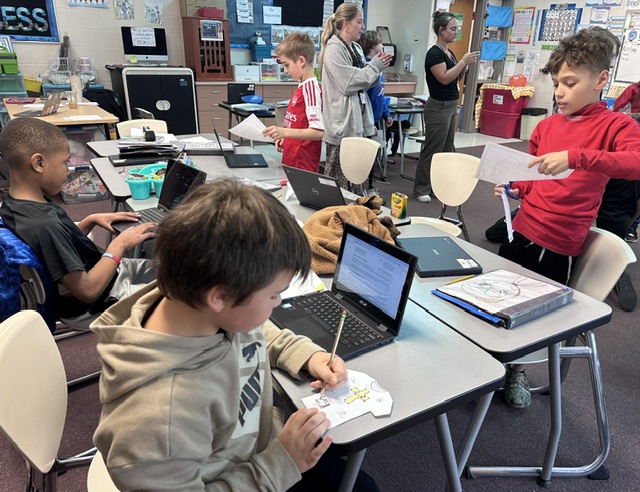
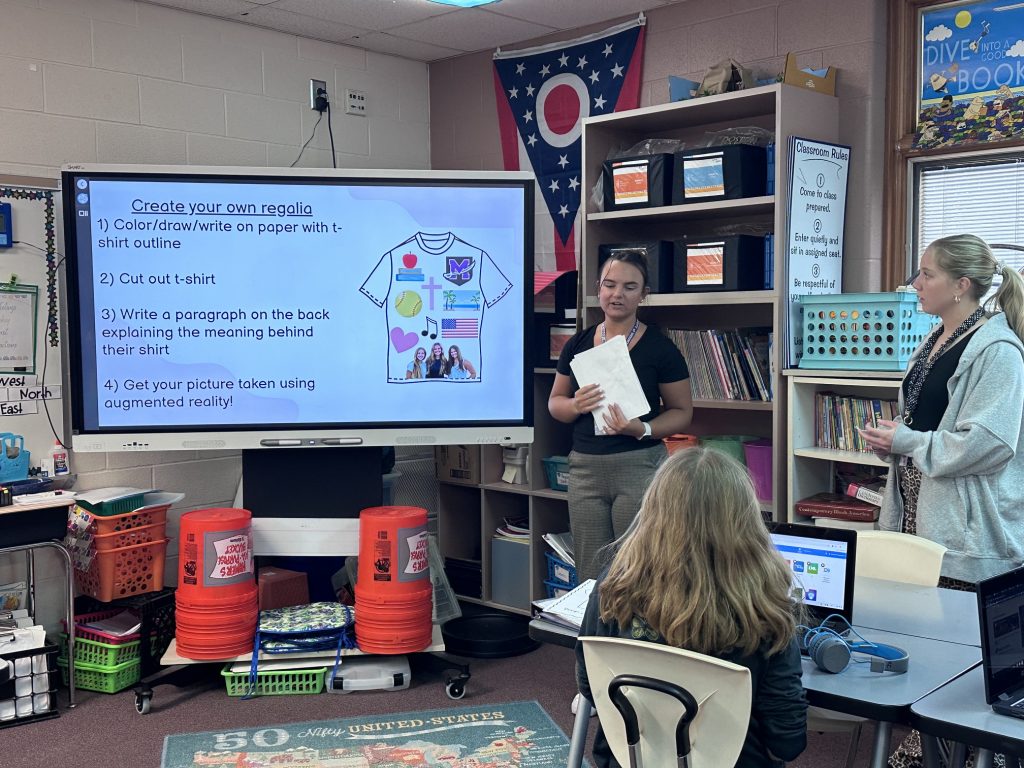
- Students will design their own symbolic regalia piece on a worksheet
They may choose to design:
- Shawl, Moccasins. dance outfit, A ceremonial accessory
- Students must: Include at least 2 symbols or colors & Think about what those symbols represent
- Students are not recreating sacred Cheyenne regalia. They are designing a symbolic outfit that represents something important in their own life (family, nature, courage, gratitude, etc.) to build an understanding of symbolism.
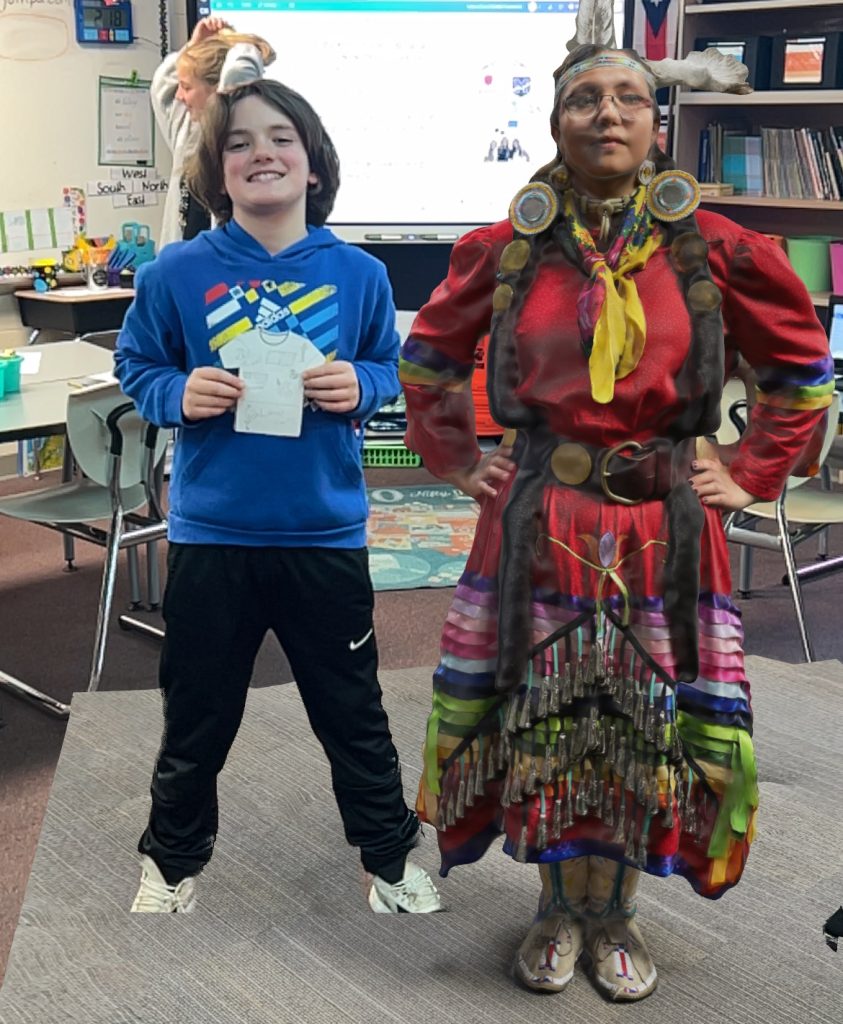
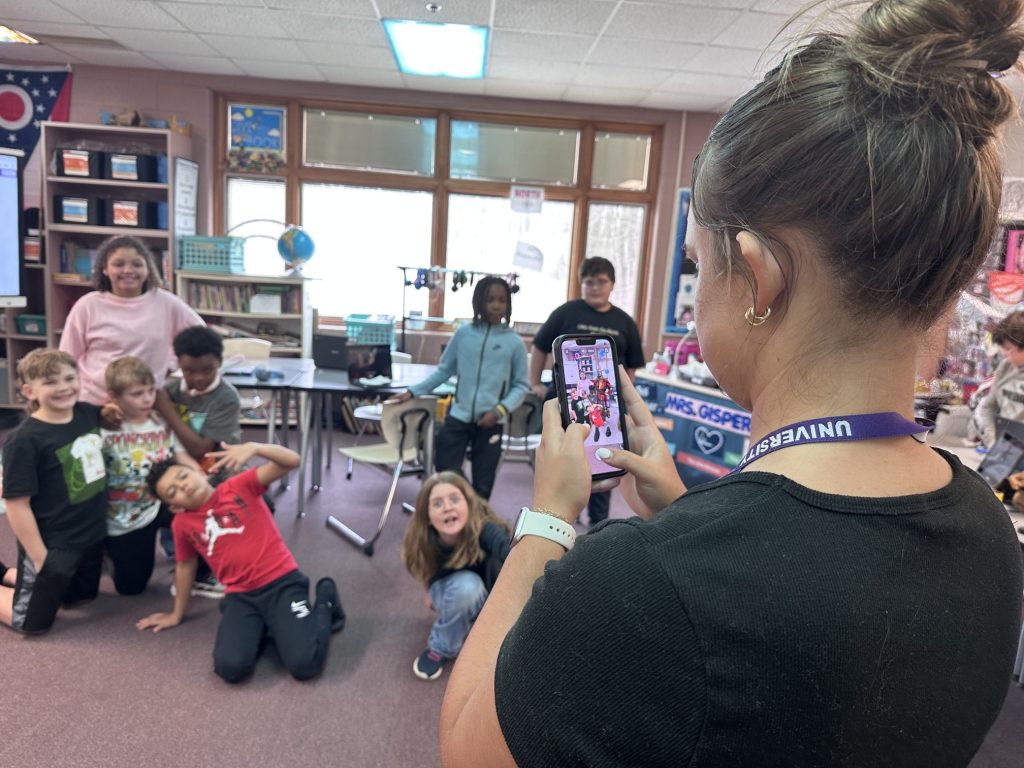
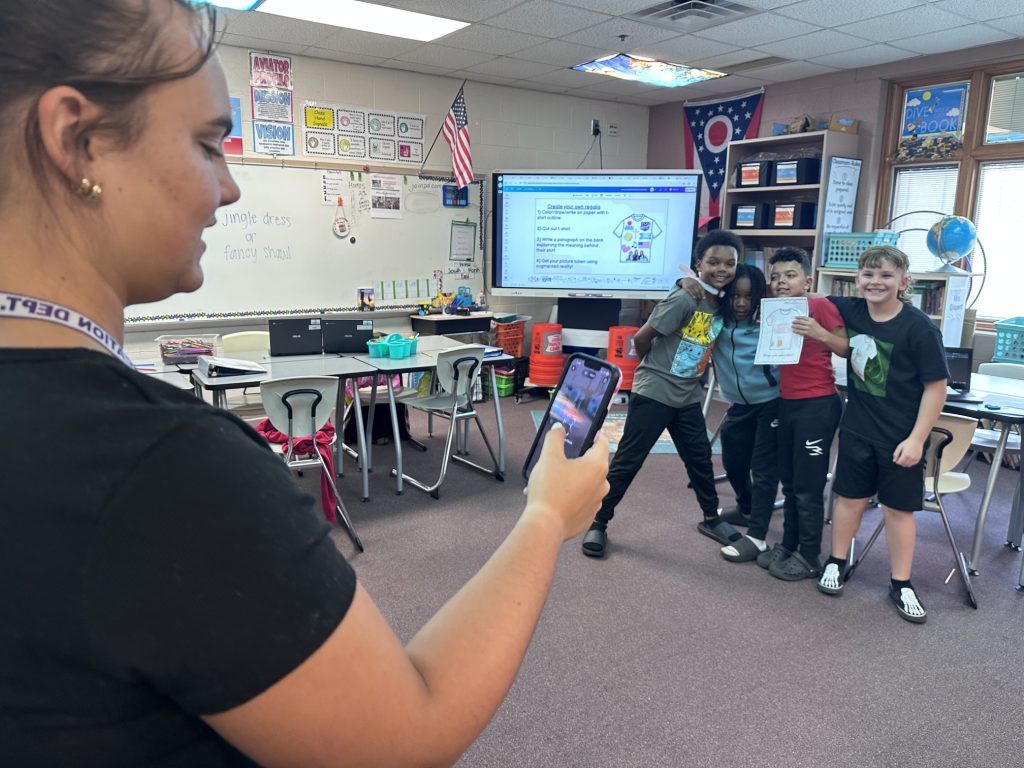
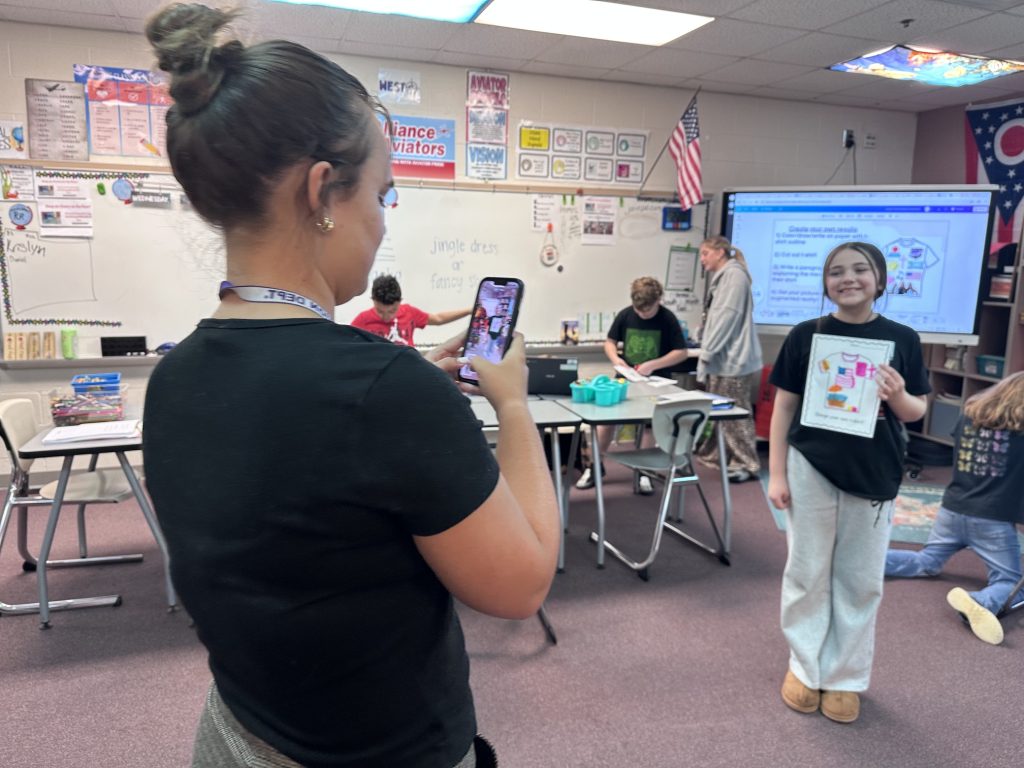
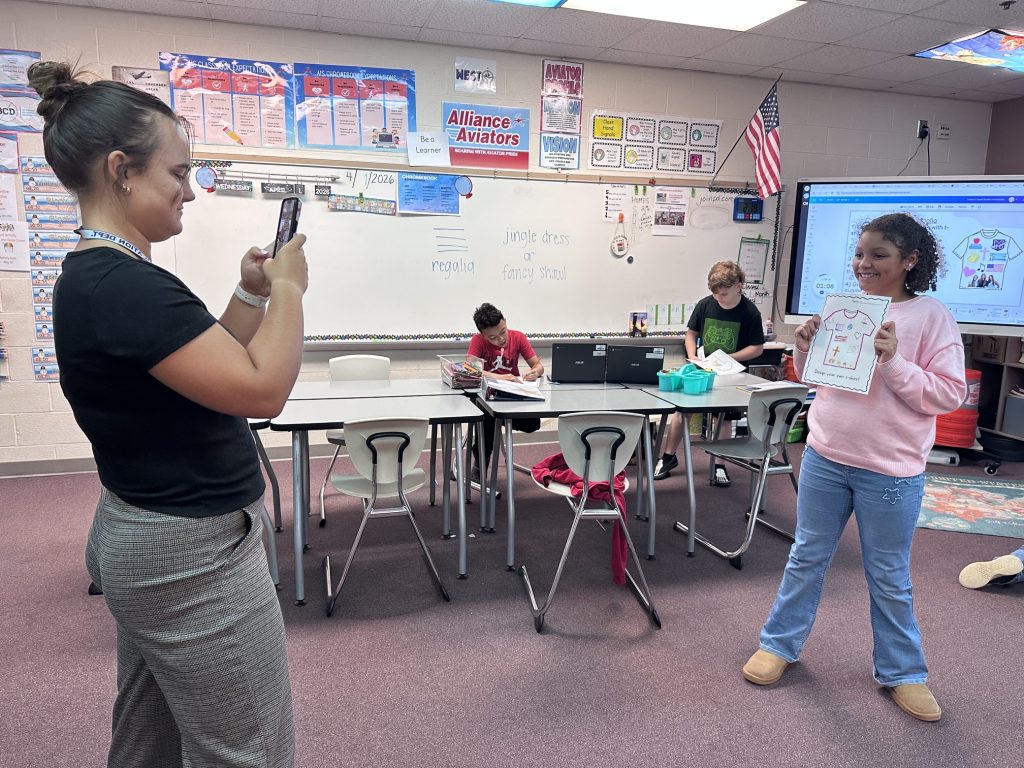
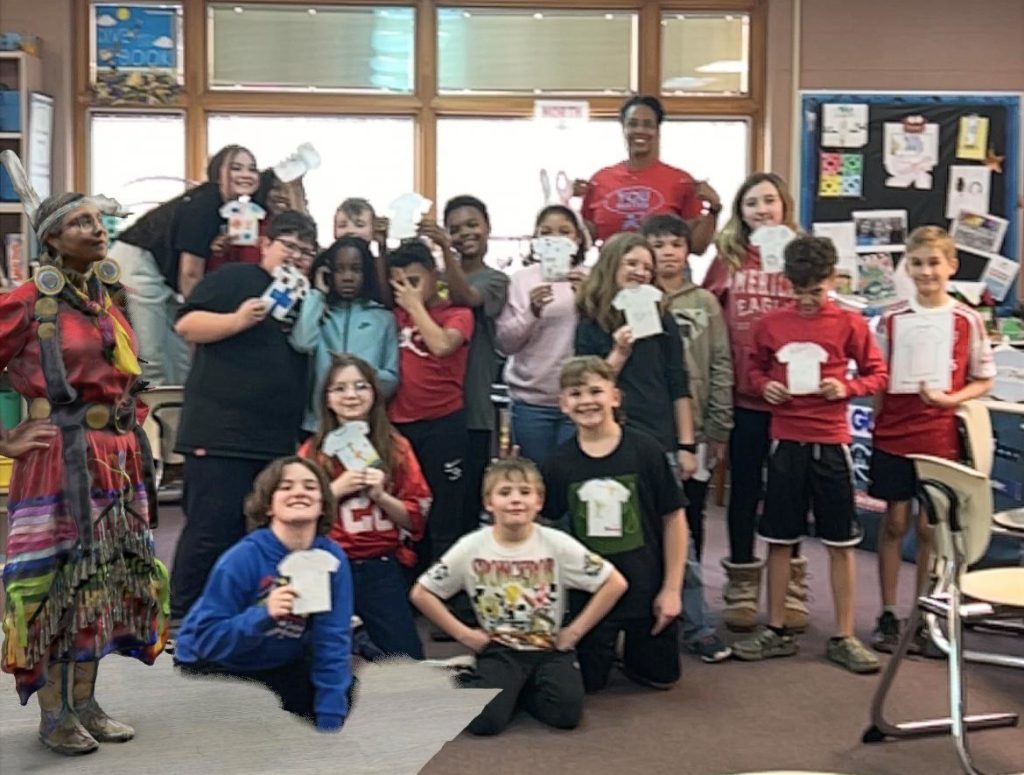
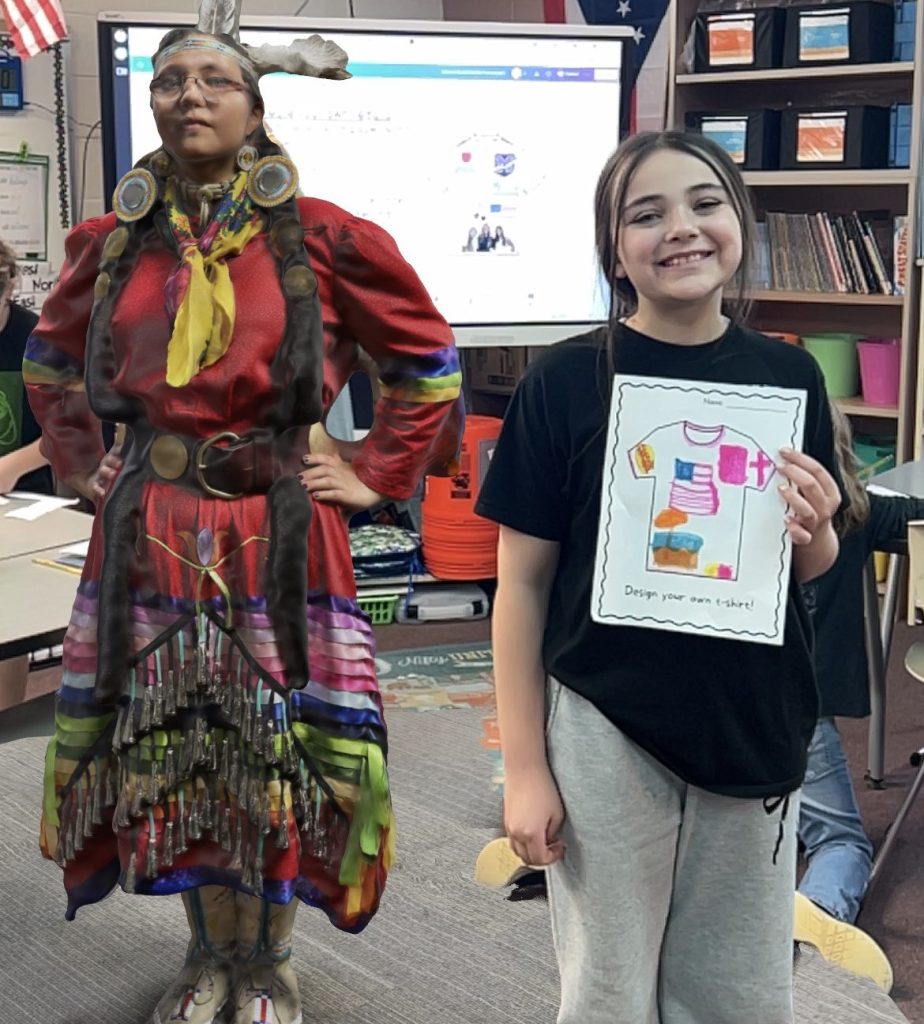
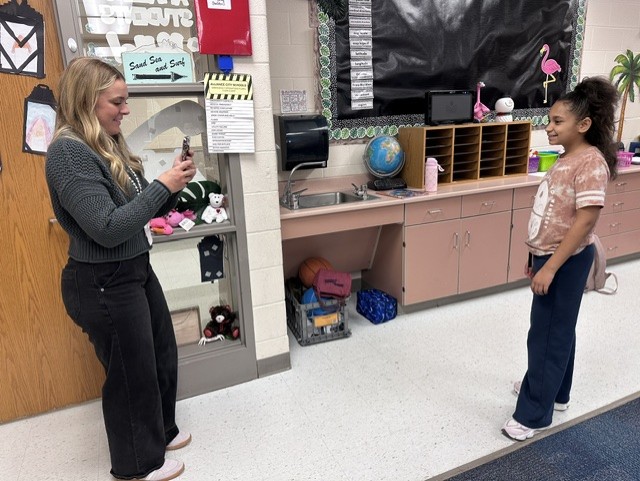
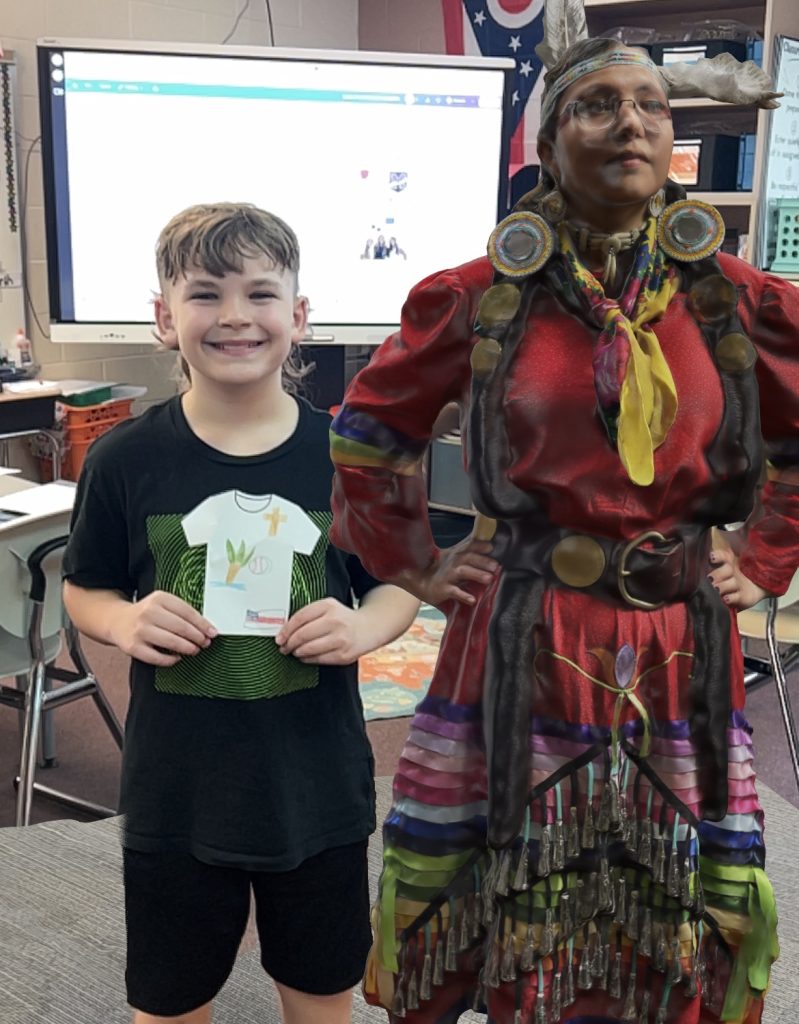
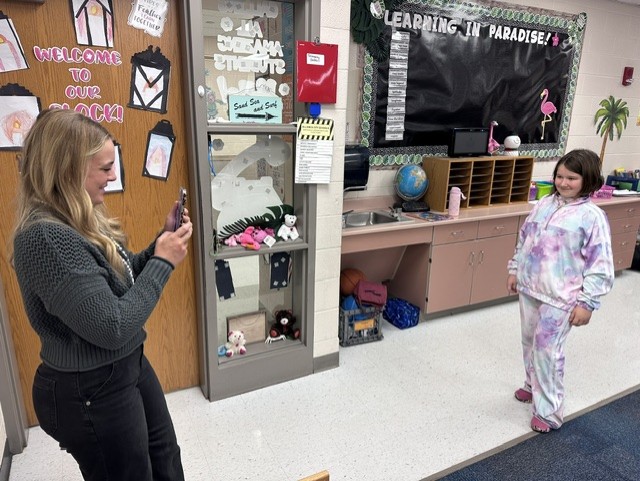
- While students are designing regalia to represent their own culture/identity, pull one student at a time to use the Ahtove augmented reality to take a picture of themselves with a real person wearing regalia. o
Procedures, Lesson Closure: (8 minutes)
- Students will write about their drawings. •
- My regalia includes…
- The colors/symbols represent…
- Regalia is important because….
- Invite students to share their drawings with the rest of the class.
- Ask students if they saw any similarities in the symbolism that they chose for their regalia and symbolism, patterns, or colors they saw on real regalia today?
- Send photos home of the students posing with a Northern Cheyenne person in regalia
Teacher Assess
- Student demonstrates understanding that regalia is ceremonial and sacred
- Student accurately connects symbols to meaning
- Student explains cultural importance
- The student uses respectful language
- The student writes at least three complete sentences –Modification (if needed) – Students may write 2 complete sentences with 80% accuracy or verbally explain their design.
Instructional Materials and Support:
Native Regalia Video
Books
Ahtove.org