
Inspirational Native American Biographies: Inquiry Using Award-Winning Contemporary Children’s Literature
View complete lesson plan below
Authors: Alex Ritchie and Karlee Scott Consultant/Editor: Dr. Mary Beth Henning (henninma@mountunion.edu) |
Grade Level: 4th |
Subject: Social Studies/ELA: Analyzing historical texts |
Context for Teaching/Learning:
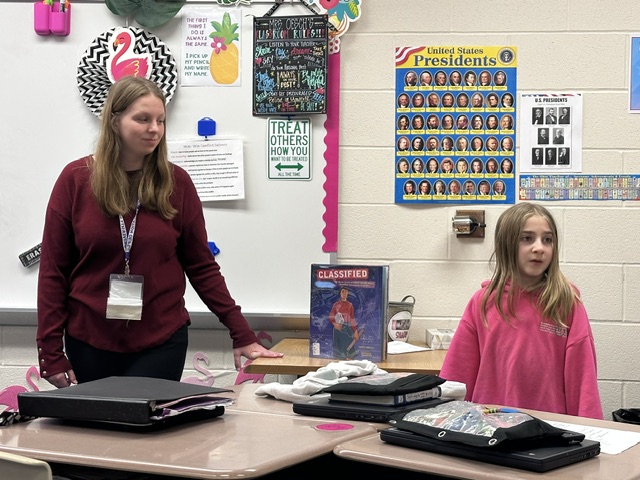
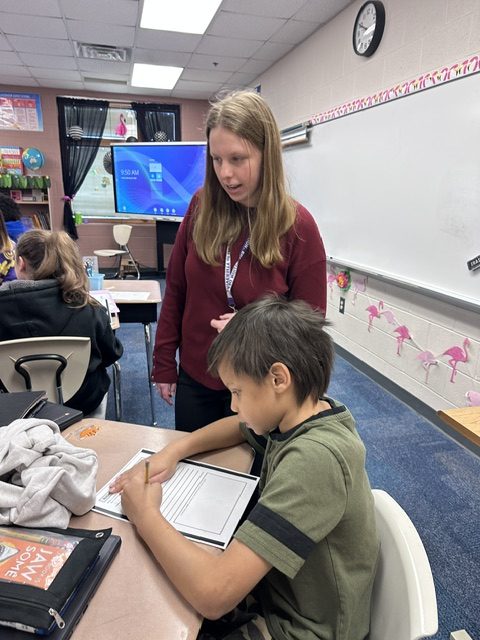
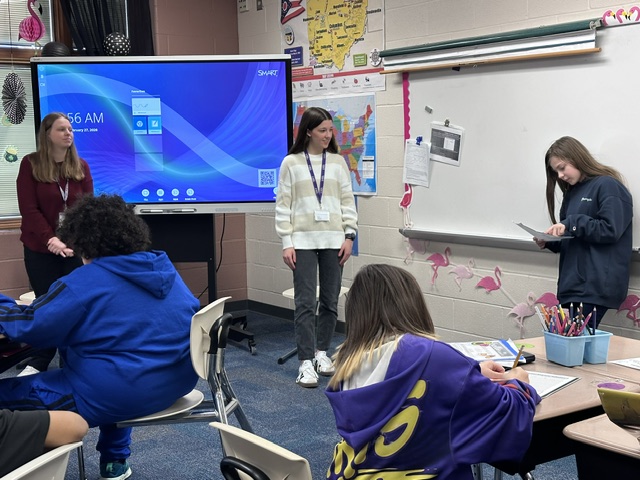
- This lesson was taught to 21 fourth grade students at Alliance Intermediate School in Alliance, Ohio in the classroom of experienced teacher, Mrs. Paula Oesch. In this racially diverse classroom, all children received free and reduced lunch. The class included 10 girls and 11 boys including 9 students with an IEP. Most students were working below grade level in this class. The room was set-up for small group interaction.
- During this lesson students learned about different Native American figures through award-winning children’s biographies. Fourth graders considered the inquiry question, “Which Native American person or group do you think is most important for people to know? Which person or group inspires you the most?
- Inquiry is a student-centered approach driven by curiosity and students’ development of their critical thinking skills. It is recommended by the National Council for the Social Studies as a best practice.
Content Standards:
Grade 4. 2026. Social Studies Skills. Historical Thinking. 2. Primary and secondary sources can be used to explore multiple perspectives.
Grade 5. 2026. Geography. Human Systems. 10. American Indian nations and indigenous tribes share geographic and cultural similarities.
Learning Objective:
Students will show their knowledge of one of the Native Americans discussed in literature by discussions with peers which Native American figure is most important to know, writing a reflection supporting their choice, and drawing a picture with accurate supporting details relating to their chosen Native American figure.
Academic Language:
- Native Americans: the Indigenous people who lived in North America long before Europeans arrived, including many different tribes and cultures.
- impact: a strong effect or change caused by something
- influence: the ability to affect how someone thinks, feels, or acts.
- American History: the story of the events, people, and ideas that shaped the United States from the past to today.
- Reservation: a specific area of land that a Native American tribe or community lives on.
Formative Assessment:
- Quickly pre-assess students’ background knowledge about what they already know about Native Americans. We will ask the students what they already know about Native Americans since they already had a whole unit on it. This will help us quickly pre-assess what students know in the beginning of the lesson.
- Walk around during the discussion to make sure students understand the question and are providing their own good explanations of which Native Americans might be most important for everyone to know.
Summative Assessment:
- Students write and then draw about which Native American figure they believe is most important in Native American history. Students will explain their thinking by providing details from what they learned from the readings. They should back up their answer with supporting key details from the readings. They will draw a picture supporting what they wrote about. The picture they draw must match the content in their writing. Strive for at least 80% accuracy with the details and drawing they provide.
Procedures, Lesson Introduction: (5 minutes)
- Start by asking students what they already know about Native Americans.
- Ask explicit questions about subjects that we know they already learned (ex. Native American Ohio History, Prehistoric Native Americans, specific Native American groups)
- Introduce the 3 books by briefly speaking about what the books will be about and asking the students if they think they would enjoy the book based on the quick description.
- The books share three very different perspectives of Native Americans. They show a modern view of who Native Americans are, and how they have impacted our country. Students will choose which they believe is most important, be we know that all of these figures are important.
Procedures, Lesson Body: (60 minutes)
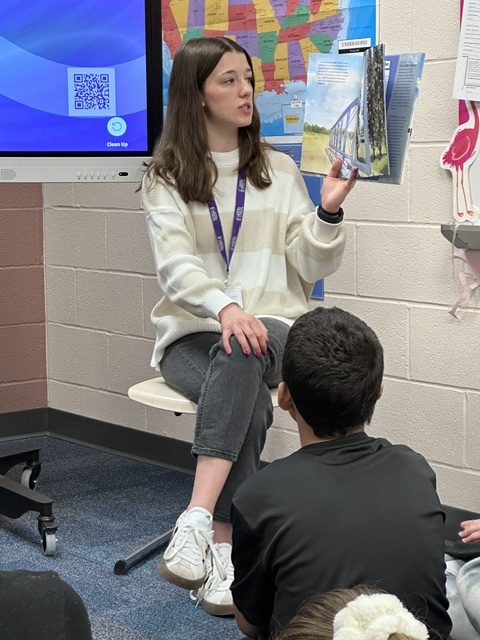
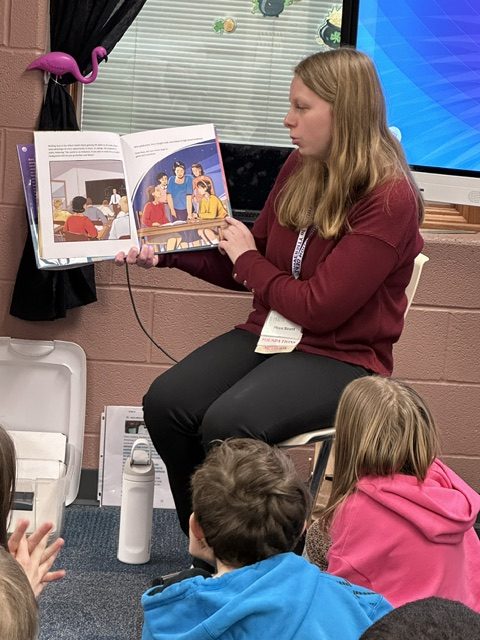
- Read To Walk the Sky: How Iroquois Steelworkers Helped Build Towering Cities
- Read Classified: The Secret Career of Mary Golda Ross, Cherokee Aerospace Engineer
- Read Wings of an Eagle: The Gold Medal Dreams of Billy Mills
- Ask the students to think about which one of the Native American figures that we just read about is most important for everyone to know? Give students a few moments to think about their answer and remind them that they must be able to explain their answer.
- Ask students to go to a corner of the room to represent which figure they believe is most important for everyone to know.
- Explain that the front right corner by the smartboard will represent the first story we read about the Native American steelworkers.
- The back left corner by the chromebooks will represent the 2nd story about Mary Golda Ross, the Aerospace Engineer.
- Then, the front right corner by the door will represent the last book we read about the Olympic medalist, Billy Mills.
- After students move to their preferred corners (marked with the books), encourage them to talk about their answer to this question with the other people in their corner.
- Have students find a classmate that is in another corner and explain their reasonings to each other. While the students are sharing with classmates.
- After they have discussed their explanations with each other, ask students to volunteer to share out to the whole class their explanations of this question. Prompt them to reference what they thought vs. what another student thought.
Inquiry Argument Building (25 minutes):
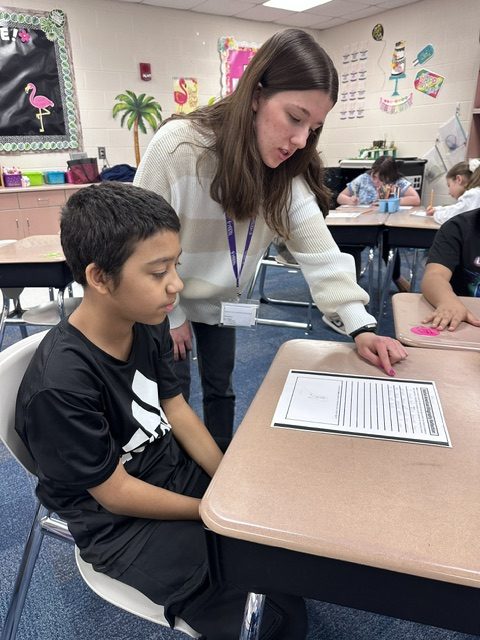
- Students return to their seats for a writing activity where they will write at least 3-4 sentences explaining their answer to the inquiry question that everyone just discussed. If students have a hard time writing in full sentences they may write in 4 or 5 bullet points.
- Students will draw their Native American figure that they discussed in the writing.
- Invite any child who wants to share their writing and drawing may volunteer to do so
Procedures, Lesson Closure: (5 minutes)
- Reinforce the idea that there are many more important Native Americans than just those in these books.
- Ask students if they would like to learn about other Native Americans and suggest other books and materials that they can use
Instructional Materials and Support:
Children’s picture books:
Walk the Sky: How Iroquois Steelworkers Helped Build Towering Cities
Classified: The Secret Career of Mary Golda Ross, Cherokee Aerospace Engineer
Wings of an Eagle: The Gold Medal Dreams of Billy Mills
Worksheet for the writing and drawing activity –