
Drumming Now and Then: An Inquiry into Native American drumming traditions
Northern Cheyenne Drumming
Main resource used in this lesson plan from ahtove.org
View complete lesson plan below
Authors: Gracie Weaver Consultant/Editor: Dr. Mary Beth Henning (henninma@mountunion.edu) |
Grade Level: 4th |
Subject: Social Studies/Music: Drumming as a tradition and today |
Context for Teaching/Learning:
This lesson was taught to a diverse 4th grade Social Studies class of 25 students at Alliance Intermediate School. Some students struggle to read, others are identified as gifted, and 23% of the students have an IEP. About 30% of the students are black/multiracial, and all receive free lunch. Veteran teacher Mrs. Gispert, who hosted this lesson incorporates the four C’s into her lessons (Communication, Collaboration, Critical thinking, Creativity).
This lesson is driven by the inquiry Question: What do you think is most important to learn about Native American drumming today (contemporary music, traditions (men vs. women drumming), connection to family, ceremonial use)? Scaffolding is provided for students to think critically, collaborate, communicate, and create.
Ohio Social Studies Content Standard: Geography Strand, Human Systems Grade 5.8 American Indians developed unique cultures with many different ways of life.
Learning Objective: Students will be able to compare how drumming was a unique part of Native American culture in history and today through discussion and oral presentations,
Academic Language:
hand drum – a drum that symbolizes spiritual connection to the heartbeat of Mother Earth
powwows – a social gathering with music, dancing, and singing that celebrates indigenous culture
residential school survivors – indigenous people who were taken from their communities, or reservations, and placed in public schools as part of assimilation into the white culture
Formative Assessment:
Observe during research time, watch for participation in jigsaw discussion, and take note of sticky note responses.
Summative Assessment:
Take notes during the final presentations of why each Native American drumming topic is the most important, and assess written student reflections for understanding and critical thinking after inquiry using the assessment rubric.
Lesson Introduction (10 minutes):
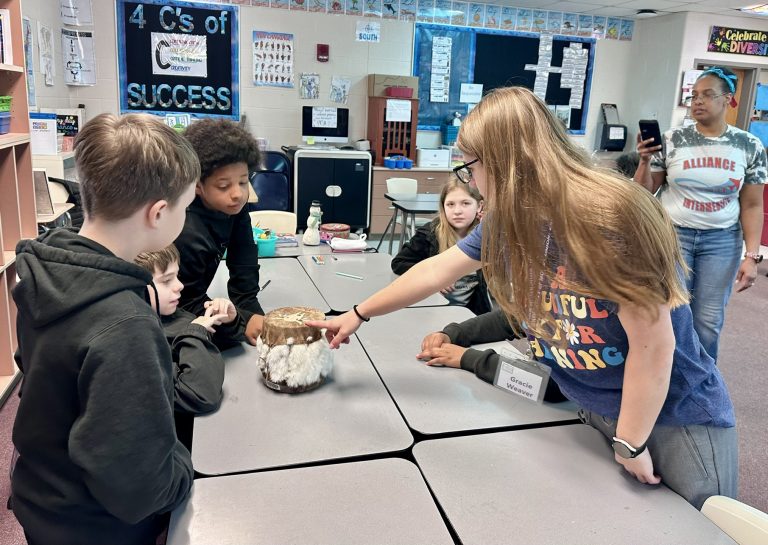
- When students walk in, have drums displayed.
- Model how to use drums the proper way and remind students to be careful when using them
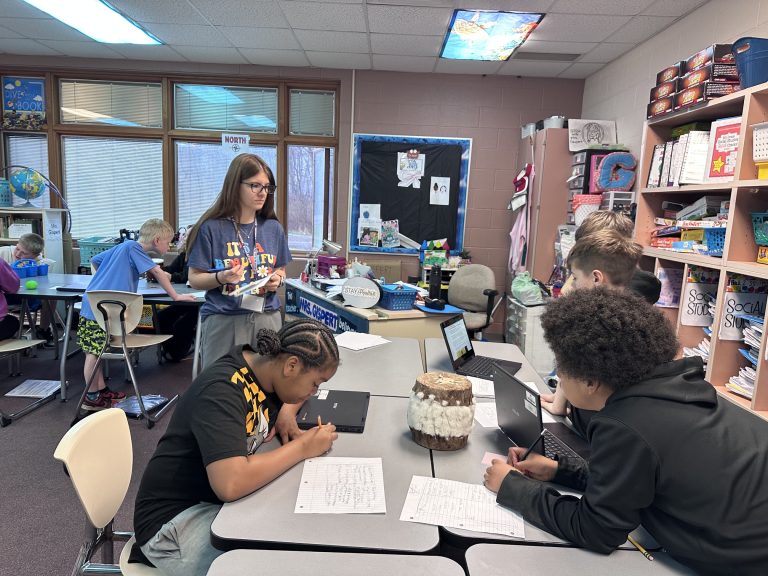
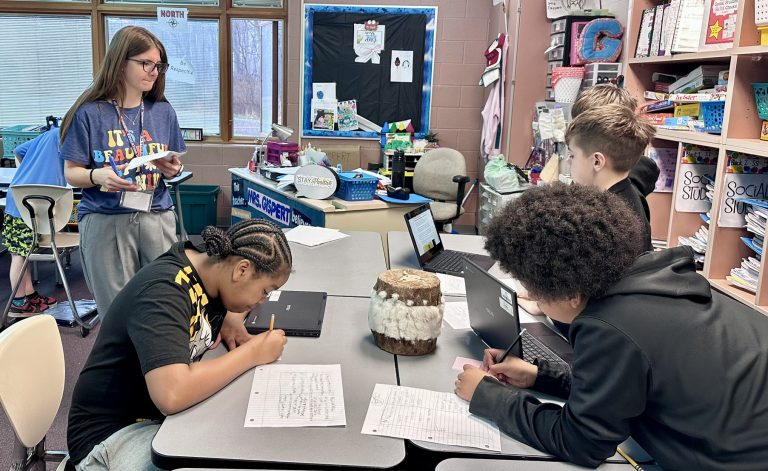
- Students can explore the drums at their tables groups.
- Tell students that we will be learning about the purpose and meaning behind Native American drumming and how it compares with present uses or meanings.
- Ask students to take notes or talk about their drums, giving prompting questions like:
- What do you see?
- What do you think this drum was used for?
- What do you think was used to make these drums?
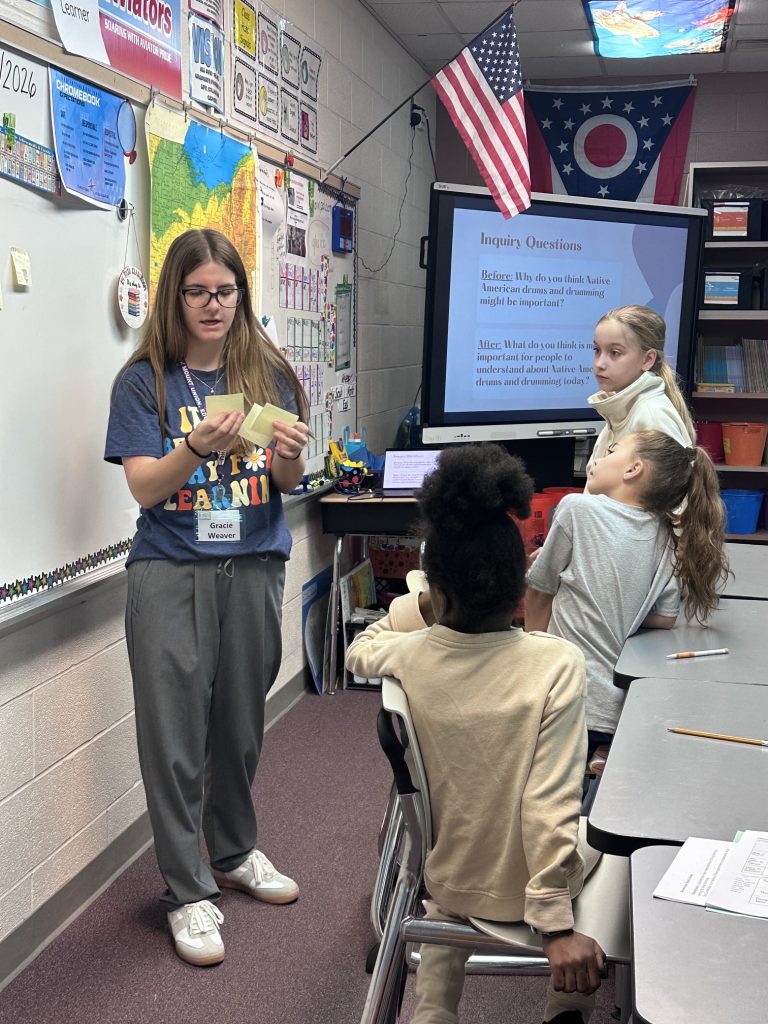
- Introduce the first part of the inquiry question for this lesson: Why do you think Native American drums and drumming might be important?
- Ask students to take notes or talk about their drums, giving prompting questions like:
Procedures, Lesson Body (65 minutes):
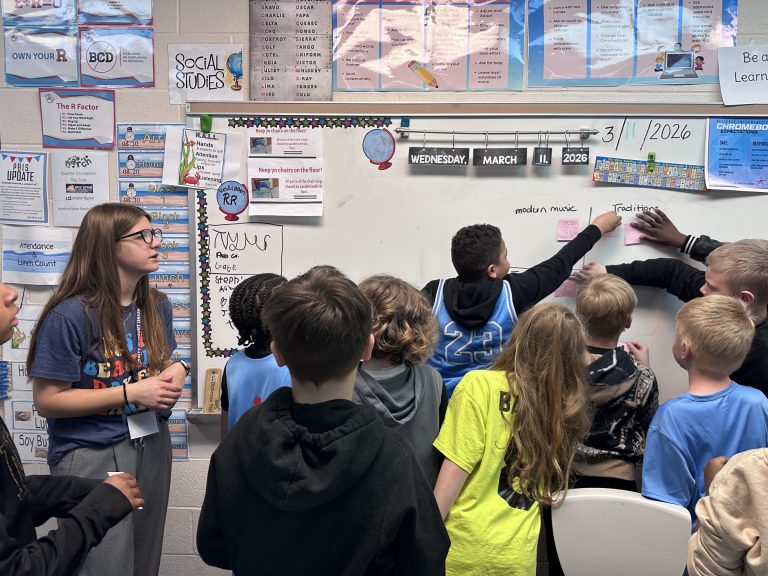
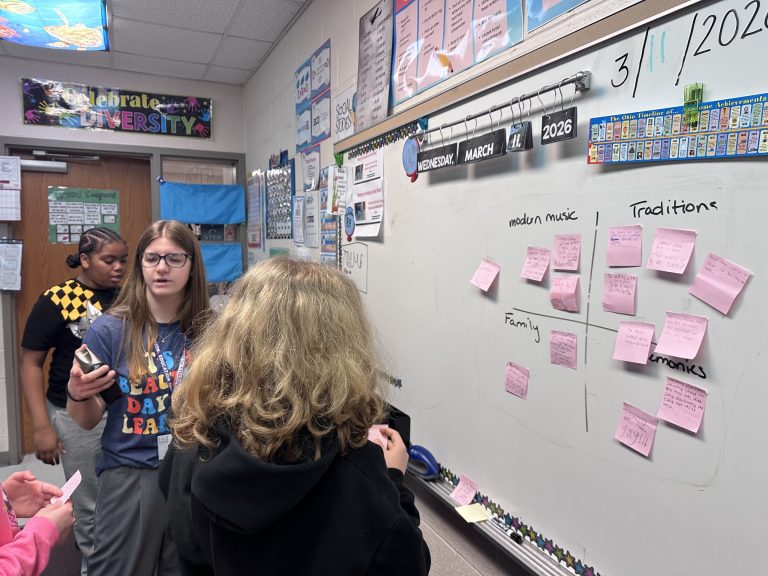
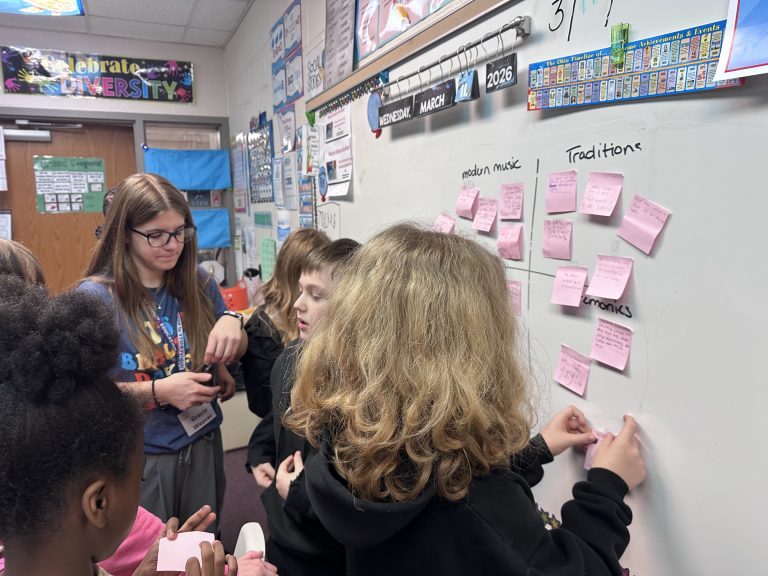
- Pass out sticky notes to each student and have them write what they think might be most important about Native American drums and drumming
- Students will write their answers, then put the sticky notes on the board
- Teacher can read the answers aloud and sort them based on similarities
- Introduce the book, The Heartbeat Drum by Deidre Havrelock
- Explain that we will be learning about and discussing the cultural importance of drumming for Native Americans
- Play the read-aloud video Celebrating Indigenous Culture with ‘The Heartbeat Drum’ | Kids Book Read Aloud (0:51-8:19)
- Ask students to talk in their groups about what stood out to them from the video in reference to drumming
- Ask a student from each group to summarize what their peers said
- Review key ideas from the book: traditions (men vs women.) connection to family. ceremonial use, contemporary music
- Count off to create expert groups and explain their jigsaw assignment
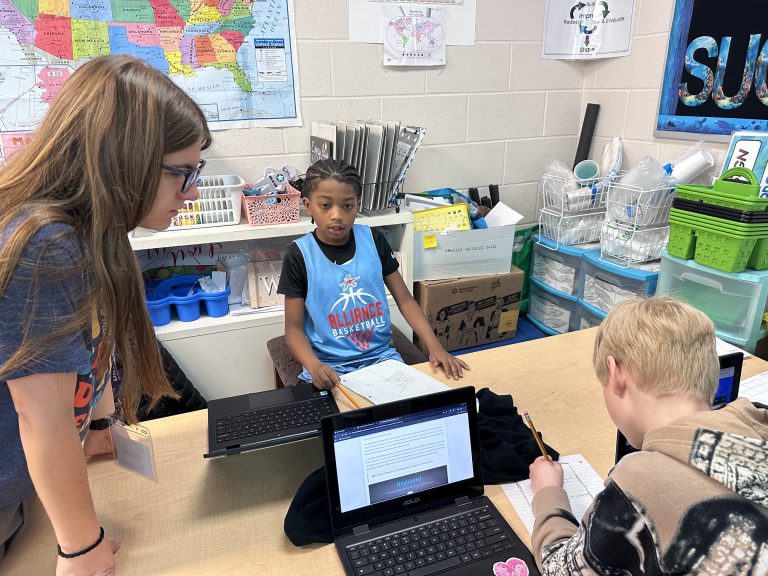
- Students will research how Native American drumming has changed (or not changed) over the years in their context
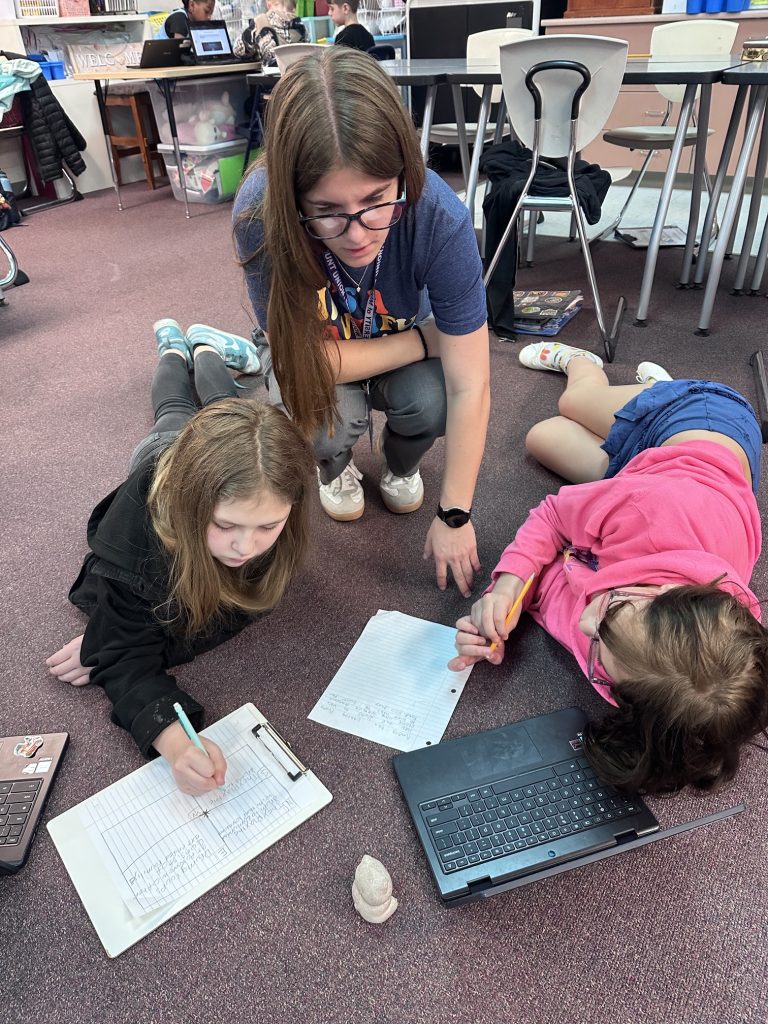
- Each student will take notes, either on their Chromebook or on paper, about why their topic is impacted by or has an impact on Native American drumming
- Allow time for student research/discussion in expert groups.
- Recommended resources for student research:
- https://www.powwows.com/indigenous-music-the-heartbeat-of-culture-and-influence-in-modern-music/
- https://indianyouth.org/drum-and-song-in-native-american-cultures/
- https://thetalklist.com/native-american-drums/
- https://www.usahistorytimeline.com/pages/the-role-of-apache-drumming-in-ceremonies-8d104cba.php
- Ask students to develop their point as to why Native American drumming is most important in their topic (contemporary music today, traditions (men vs women), connection to family, ceremonial use)
- Return to home groups, so each perspective can be heard
- After all perspectives have been heard, restate the inquiry question: Of all the ideas we heard today, why do you think Native American drums and drumming might be important?
- Small and large group discussion ensues
Closure: (10 minutes)
- Ask students to revisit what they wrote down on their sticky note at the beginning of the lesson
- Ask the second part of the inquiry question for this lesson: What do you think is most important for people to understand about Native American drums and drumming today?
- Students should talk about if their answer changed after listening to the book and completing their own research
- Students will write one or two sentences about their reflections on a piece of paper
- Conclude by watching a video of Carol Powder and Noah of Chubby Cree performing a drumming song and chant
- Ask students to think about how the performance made them feel
- Tell students about how music and drumming can have a large impact on our lives today in many ways
- Inquire if students have any other questions about Native American drumming or traditions
- Suggest ahtove.org as another source to learn about Native American culture
Instructional Materials and Support:
Book: The Heartbeat Drum by Deidre Havrelock
Celebrating Indigenous Culture with ‘The Heartbeat Drum’ | Kids Book Read Aloud
Carol and Noah of Chubby Cree at EPCOR Holiday Gala
Instruments such as drums and tambourines
Summative Assessment Grading Rubric
Sticky notes
Chromebooks/paper pencil
Ahtove.org