Ahtove

Northern Cheyenne v. Hollowbreast

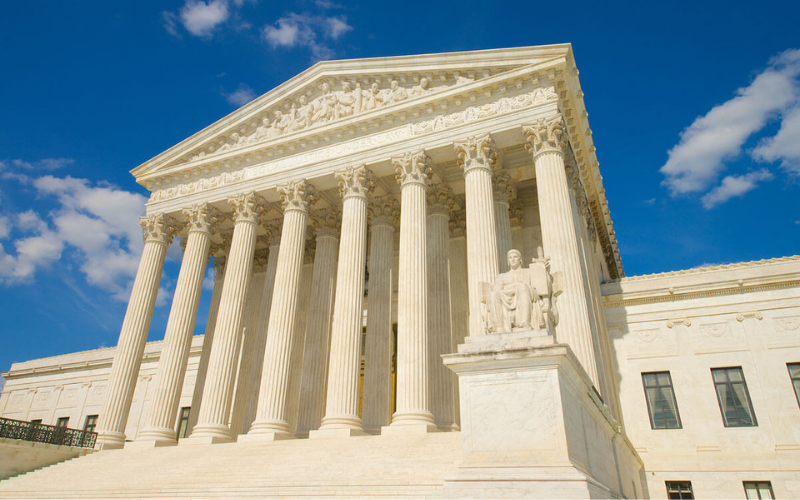
The Northern Cheyenne Tribe v. Hollowbreast case was decided by the U.S. Supreme Court on May 19, 1976. The Court affirmed that the Northern Cheyenne Tribe retained mineral rights under their lands, strengthening Tribal sovereignty and protecting the land from exploitation. This ruling not only secured the Tribe’s ownership and control of the minerals beneath their lands but also supported future generations. Additionally, it helped preserve the cultural and spiritual landscapes critical to the Cheyenne language and heritage.
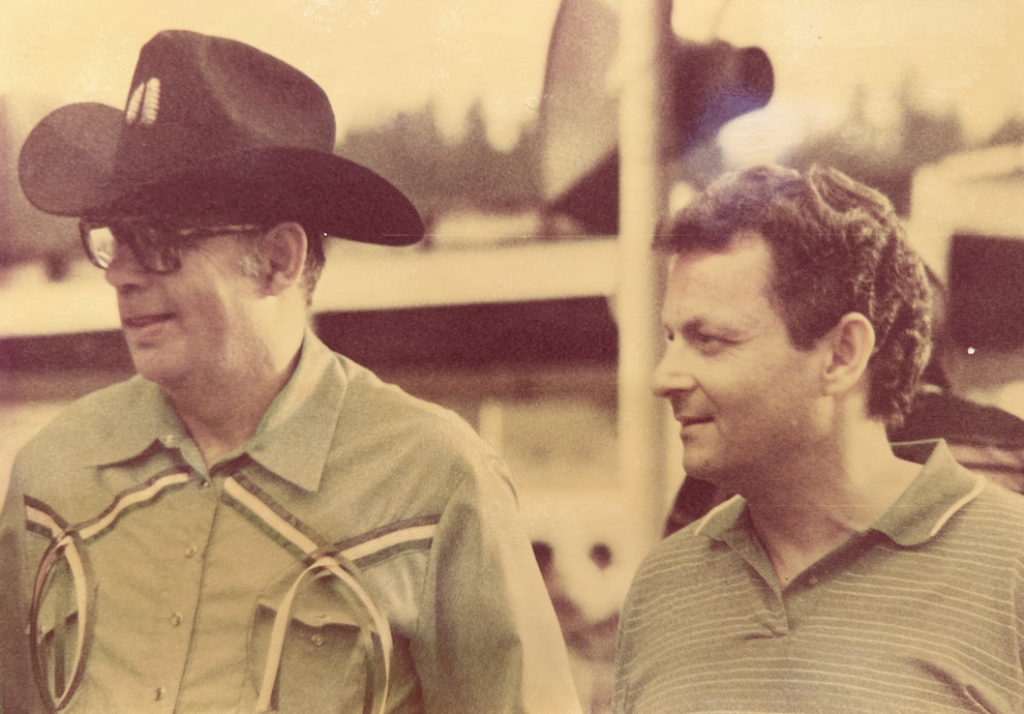
Tribal President Edwin Dahle & Steven Chestnut

The case Northern Cheyenne Tribe v. Hollowbreast was argued on behalf of the Northern Cheyenne Tribe by Steven H. Chestnut from Seattle, Washington.

Background

The Northern Cheyenne Tribe v. Hollowbreast case was about who owns the minerals like coal and oil under the land given to individual tribe members by a 1926 law. Although the law gave the surface land to individuals, it also kept the mineral rights for the whole tribe. Later, Congress changed the law to keep those mineral rights forever for the tribe, unless a court said otherwise. The courts disagreed at first, but the Supreme Court ruled that the 1926 law meant to separate the mineral rights from the surface land and keep those minerals for the tribe’s benefit. The Court said that Congress has the power to control Indian lands and did not intend to give those mineral rights to individual landowners. So, even though individual tribe members owned the land surface, the tribe owned and controlled the minerals underneath. This decision showed that Congress can protect tribal resources by keeping mineral ownership separate from land ownership.

Tribal Government Building

Timeline

K - 12 Curriculum

3 – 5 day units

Lesson plans tied to IEFA

Downloadable Posters 

Primary Resources

Documents

Voices

Videos

Archives